
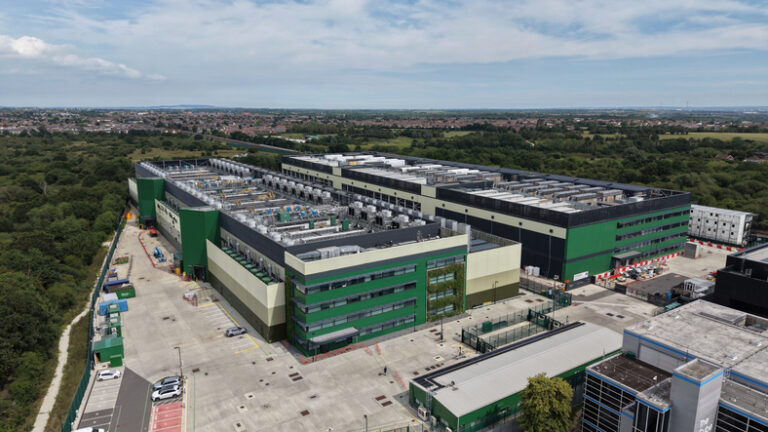
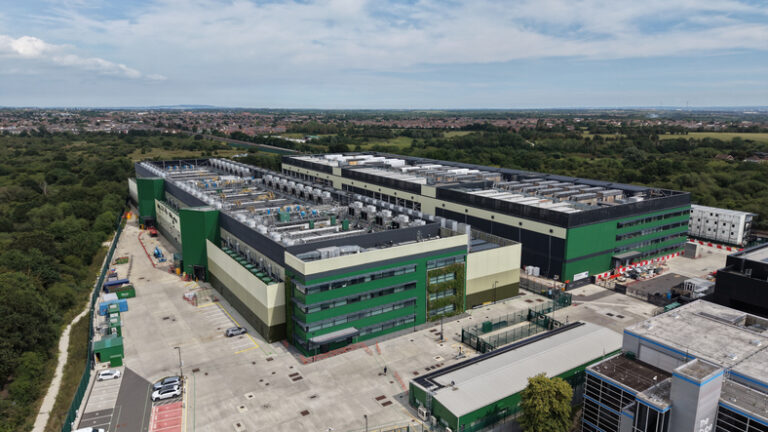
Data centers are becoming a major land-use issue in Pennsylvania, and they are starting to raise questions about whether the seller disclosure law requires disclosure about existing or planned data centers.
There are no specific questions about data centers, and they do not create a new, stand-alone disclosure obligation under Pennsylvania law. That said, they might generate facts that fall within existing duties to disclose known material defects of the property. Understanding the underlying purpose of the law and how it has been interpreted by the courts is critical to figuring out what a seller does, and doesn’t, need to disclose.
What the Law Does NOT Require
The seller disclosure law requires that a seller provide information they know about “material defects,” which are defined as problems “with a residential real property or any portion of it that would have a significant adverse impact on the value of the property or that involves an unreasonable risk to people on the property.”
The Pennsylvania Supreme Court has clearly stated that the seller disclosure law is meant to address physical and legal issues that directly impact the physical or legal condition of the property being sold, but not other types of conditions or issues that might impact how someone would feel about the property. In the 2014 case of Milliken v. Jacono, the court addressed a claim that a seller should have been required to disclose the fact of a murder/suicide in the home. The court found that because there was no physical impact on the property, this was merely a “psychological stigma” and not a “material defect.” In short, the court noted that the law does not impose a duty on a seller to guess what sorts of things certain buyers may have an emotional response to and then try to figure out which ones should be disclosed.
Though the Milliken case dealt with a stigma based on activity in the home, the same analysis should apply to a potential stigma from an off-site condition. A seller would generally not be required to figure out whether and how the presence of an existing or pending data center might impact a potential purchaser’s feelings about the property.
In addition, the law only requires a seller to disclose material defects they actually have knowledge about, and it does not require a seller to predict the future or pose as an expert on issues that are outside of their expertise. For example, if there are no impacts directly on the property today, a seller has no obligation to conduct technical studies, predict whether a proposed project will be constructed, estimate future tax consequences or guarantee future property values. Similarly, real estate licensees are not required to investigate or guess about potential future consequences.
How a Data Center Can Become a Disclosure Issue
Consider the following examples of direct physical or legal issues that could require disclosure:
- Noise and/or vibrations: Persistent interior vibrations and/or physical damage, documented violations of noise ordinances or a private legal agreement restricting remedies of the property owner
- Water, sewage and drainage: Documented problems with well performance, water quality, drainage patterns, flooding, erosion, septic function or the location and maintenance responsibility of stormwater facilities
- Electrical infrastructure and easements: Recorded or unrecorded easements, options, rights of first refusal, condemnation notices, utility agreements or boundary disputes
- Hazardous substances: Spills, testing results, agency notices, remediation and contamination migrating onto the property, or other hazardous-substance conditions affecting the parcel (particularly if the owner receives official notice from the data center or government about those conditions)
- Zoning and legal actions: Zoning or variance approvals, appeals, variances, enforcement matters, settlements or recorded restrictions that affect title and/or the owner’s use or enjoyment of the property
Practical Steps for Sellers and Listing Brokers
It’s easy for sellers to just say “oh…I don’t really know anything about all that,” even if there may be physical or legal impacts they’re not fully conscious of. To take some easy examples, “we had some flooding issues during construction but it seems better now” probably requires disclosure of the flooding and how it was addressed. “The data center is doing free monthly well testing” probably needs to be disclosed as a potential water issue, and if the testing is required by a court settlement, it might need to be disclosed as litigation that affects the property. To help focus the seller, suggest that they:
- Look for copies of notices, permits, easements, surveys, environmental reports, utility correspondence, complaints and settlement documents involving the property.
- Answer the statutory form completely and distinguish observed facts from predictions or opinions.
- Consult with counsel when there is pending litigation, a government proceeding, contamination evidence, a confidentiality clause or uncertainty about whether off-site development might create a material defect.
Figure out in advance (perhaps with guidance from counsel) how they want to answer any additional questions posed by buyers/buyer agents. Even if disclosure is not required by the seller disclosure law, a seller obviously can’t provide false information in response to a direct question — though it may be feasible to respond with some version of “I’m not going to answer that question, but you’re free to look into the issue on your own.”
Practical Steps for Buyers
The Milliken court also noted that the facts of incident were “well-publicized, with coverage appearing in print and on the internet,” and that the buyer “possessed the tools to discover the murder/suicide and did not do so…” Or to put that another way, a buyer still has a responsibility to check out the overall suitability of a property — they can’t just expect the seller to come up with everything a buyer might find objectionable. With that in mind, buyer agents might suggest that buyers:
- Elect appropriate inspection contingencies in the agreement of sale, such as surveys, deed restrictions, environmental hazards and water supply
- Review municipal zoning files, recorded plans, meeting records and project approvals
- Obtain a title search and survey focused on utility, access, drainage and construction easements
- Ask targeted written questions — the seller’s disclosure is a starting point, not a substitute for your own investigation.
It’s Not Always About the Law
The PAR Legal Hotline fields all sorts of calls from listing agents whose sellers know … something … about a property that isn’t subject to mandatory disclosure rules, but that they realize might really upset a buyer once they find out about it. The fact that a seller doesn’t have to disclose something doesn’t mean that they can’t disclose it. If there’s a concern that buyers would be upset if they only discover something after closing, the best risk reduction approach may be to figure out a way to get enough information to prospective buyers to at least point them in the right direction for their own investigations. That’s a practical issue more than a legal one and may be best addressed in discussions with the broker and/or the seller’s attorney.
Register to Attend PAR’s Data Center Webinars
- Tuesday, Sept. 29 at noon – Data Centers in Pennsylvania – Why Here? Why Now? will explain data centers, define related terms and highlight why Pennsylvania is attractive to data center developers.
- Tuesday, Oct. 6 at noon – The Data Behind Data Centers will feature NAR researchers discussing what that data shows about the impact of data centers on jobs, housing markets, electricity costs and real estate opportunities and what these trends mean for communities, businesses and the real estate market.